
What's Actually Involved, How Long It Takes, and What Separates a Lasting Result from One That Fades Fast
Fresh paint changes how a room feels faster than almost anything else you can do to a house. The right color, applied well, makes spaces feel bigger and cleaner. What most homeowners don't realize until after is that how long a paint job actually lasts has almost nothing to do with the color they picked.
This guide covers the full process, realistic timelines, how interior painting cost gets calculated, and what actually separates a result that holds up from one that doesn't.
What Does Interior House Painting Actually Involve?
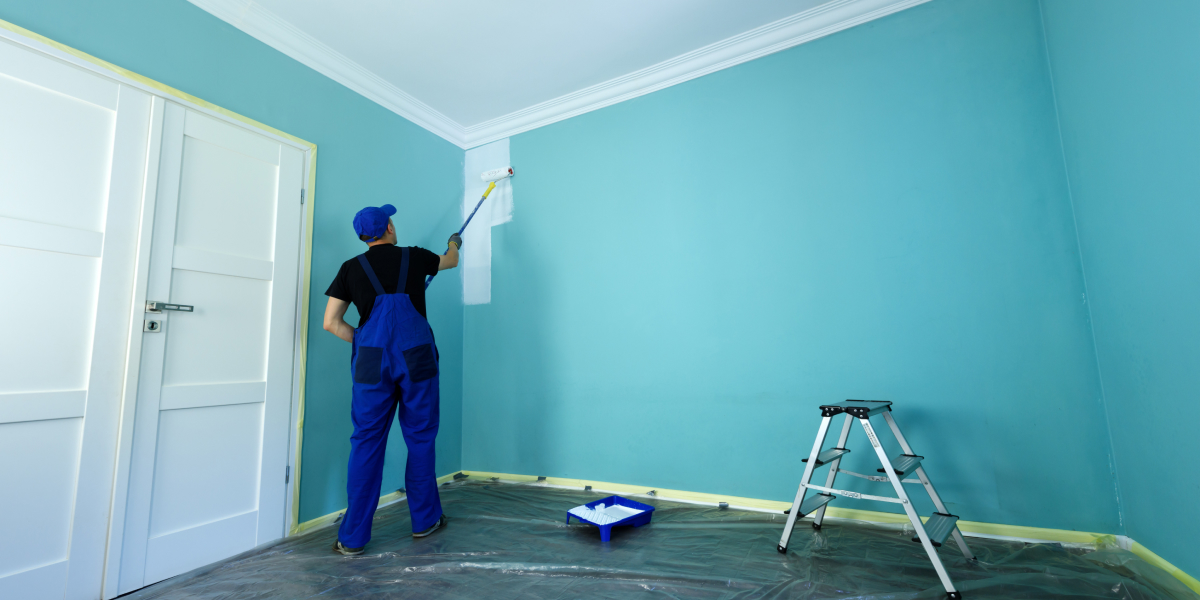
The visible painting, rolling walls, cutting in edges, applying a second coat, is roughly half the job. The other half is what happens before a brush ever touches the wall, and it's where professional results are actually earned.
Surface inspection comes first. Then patching, sanding, priming anything bare or stained. Floors, fixtures, and trim get taped and covered. Only after all of that does actual painting begin.
Cutting in is the skill part. Clean lines at trim, ceilings, and door frames don't happen by accident. They take practice. Rolled walls that look fine from a distance often show lap marks up close, especially in natural light.
Two coats, real drying time between them. Rushing that is one of the most common shortcuts. It shows. Cleanup finishes the job: tape pulled cleanly, edges touched up, furniture back.
How Long Does Interior Painting Take?
How long interior painting takes depends on scope, surface condition, and coat count. Realistic ranges:
A single room: One to two days with prep and two coats. Ceilings, trim, or heavy patching add time.
A full floor: Three to five days. Open plans, high ceilings, or complex trim work push it toward the longer end.
Whole-house interior: One to two weeks for most homes. Ceilings, trim, doors, and multiple finish types throughout stretch that toward the longer end.
The variables: surface area, coat count, ceilings and trim in or out, drying time, and surface condition going in. Textured walls, lots of patching, and a big color shift all add time.
Choosing the Right Paint Finish for Each Room
Paint finish matters as much as color. Use the wrong sheen in the wrong room and you'll know it fast. Fixing it means repainting.
Flat and matte: Ceilings and low-traffic walls. Absorbs light so it hides imperfections well, but it's not washable. Wrong choice anywhere that gets touched regularly.
Eggshell: Living rooms and bedrooms. More durable than flat, wipes down easier, and doesn't amplify minor texture variation in the wall.
Satin: Kitchens, hallways, kids' rooms. More washable than eggshell and holds up to regular scrubbing.
Semi-gloss: Trim, doors, and bathroom walls. Easy to wipe down and gives trim a finished look. On open walls, it amplifies every imperfection. Prep matters more, not less, when using semi-gloss.
Matte in a bathroom fails fast. Semi-gloss on bedroom walls shows every imperfection under natural light. Finish selection isn't a decorative preference. It's part of doing the job right.
Interior Painting Cost: What to Expect
Interior painting cost is quoted by room, by square foot, or by full scope. It varies more than most homeowners expect.
Surface condition is a major cost driver. Significant patching, skim coating, or priming takes time and adds cost. Color count matters too. A whole-house repaint in one neutral is a much simpler job than multiple rooms each getting a different color.
Trim and ceilings are often excluded from base estimates. Adding them shifts the price. Paint grade is a real factor too. Premium costs more per gallon, needs fewer coats, and holds up longer.
Low-bid interior painting almost always skips prep. The price looks fine until the paint starts peeling six months in, lifting off surfaces that were never properly prepared. Repainting sooner than you should have to is how the cheap estimate becomes the expensive one.
DIY vs. Hiring a Professional Painter
A motivated homeowner can paint a room. Worth saying plainly. One room, straightforward walls, a few hours of prep and two careful coats. That's achievable.
Where the gap shows up: edges and cut-in lines, coverage consistency, and prep work that makes the finish last. A first-timer can get there eventually. The difference between their first attempt and an experienced painter's result is usually obvious, though.
Time is the other consideration. A crew that paints every day works fast. The same whole-home project can take a homeowner months of weekends, with the ongoing mess of living inside an unfinished job.
One room, simple walls, enough time to do the prep, DIY is reasonable. A full interior home painting project, multiple rooms, or a home you're getting ready to list? Hire it out. The edges are cleaner, the coverage is better, and the result lasts longer.Ready to see what a professional interior painting estimate looks like for your home?
Find your local 360 Painting and request a free estimate. We'll walk through your space, explain exactly what's included, and give you a clear picture of what the project involves.